

So you’re fed up with expensive and time-consuming lawn maintenance and you’re ready to make the switch to artificial turf? Whether you’re interested in a more environmentally friendly way to have a green lawn or you’re just tired of making your kids mow, artificial turf can be a great solution to your grassy woes.
But, before you get new turf, there are several factors to consider. Turf comes in a variety of styles, and some may be better suited for your purposes than others. Here’s what you should think about before you commit to one style of turf.
Location
The area where you are having the turf installed will make a huge difference when it comes to what sort of artificial turf you choose. High-traffic areas, like a yard where kids or dogs play, will need a more durable turf—our Synlawn 348, for example—that can hold up to the wear.
Make sure that you’re choosing an artificial lawn that suits the location you’re planning to fill. This way, your turf will continue to look great for years to come.
Pile Height
The pile height of the turf is simply how tall each blade of grass is. Taller turf will look more dense and lush. However, if the turf is too tall it may begin to sag under its own weight over time, giving your lawn a flat appearance.
For a natural-looking artificial lawn, most experts recommend choosing a pile height between 30-37 mm. Depending on your needs, you may feel comfortable going a little longer or shorter, but make sure you understand the differences.
Density
Density is another important factor in choosing the right artificial turf. Turf density represents how much yarn per square unit the turf contains. A higher density turf will look fuller and is also more durable.
Density is closely related to another key detail, the weight of the turf. Weight shouldn’t prevent you from installing turf in your yard, but if you plan to add turf to a balcony or inside a structure, make sure that the weight of the turf doesn’t go over the load limit.
Infill and Backing
Different infill materials, such as rubber and sand, are used underneath artificial turf to give the ground a springy feeling as you would get from walking on real grass. These come at different price points and have different pros and cons.
Additionally, most turf is backed with either latex or polyurethane. If you live in an area with extreme temperature variations, latex may shrink due to the changing conditions, so polyurethane backing may be a better choice for you. If you’re creating a play area or rubber sports field, make sure you’re choosing the right synthetic sports surfacing that’s properly bound.
Maintenance
Though artificial lawns require less maintenance than real grass, they aren’t exactly set it and forget it. From time to time, you should be prepared to rinse or vacuum your turf to remove dust and dirt and keep it looking shiny. When you’re choosing a type of turf, don’t forget to ask about how much maintenance it requires. It could be worth it to spend more on a turf that needs less care.
SYNLawn manufactures, distributes, and installs artificial plant-based turf for residential and commercial clients in Seattle and Sacramento. Synlawn’s unique and durable synthetic turf is long-lasting and made using recycled materials. Stop by Synlawn to consult with our experts as this will help you make the right decision for your needs.
Get a FREE Consultation
Recent Posts
Transform Your Space with SYNLawn Seattle Custom Turf Designs
Seattle artificial turf can completely redefine how your outdoor and indoor areas look, feel, and function. At SYNLawn Seattle, we help homeowners, businesses, schools, and municipalities create turf installations that are as visually striking as they are durable. From imaginative graphics to functional layouts, our custom turf design services bring a unique personality to every…
Class A Fire-Rated Seattle Artificial Turf: The Safer Choice for Lawns and Rooftops
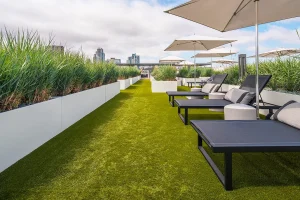
Seattle artificial turf has become a top option for homeowners and commercial property owners seeking low-maintenance outdoor surfaces that stand up to wet conditions, heavy use, and today’s safety expectations. As landscaping evolves beyond traditional lawns, fire safety is increasingly important for properties throughout the Pacific Northwest. Choosing a Class A fire-rated turf system ensures…
How New Seattle Artificial Turf Outdoes the Competition
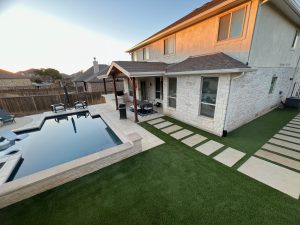
Seattle artificial grass has become an increasingly popular solution for homeowners and commercial properties looking to reduce maintenance, manage rainfall, and maintain attractive landscapes year-round. In a region known for moisture, shade, and heavy use, turf performance depends on far more than surface appearance. At SYNLawn, we engineer turf systems specifically to outperform conventional products…